

Are you planning a trip to Valencia and feeling overwhelmed by the amount of information about its main tourist attraction?
It is common to get lost among the names of the buildings, the types of tickets, and the logistics of touring a complex of 350,000 square meters.
And the worst part is that this lack of planning often leads to unnecessary queues or missing out on the most interesting corners of the site.
To help you avoid this problem, in this guide you will find essential and structured information to make the most of your visit, optimizing both your time and your budget.
What to See in the City of Arts and Sciences
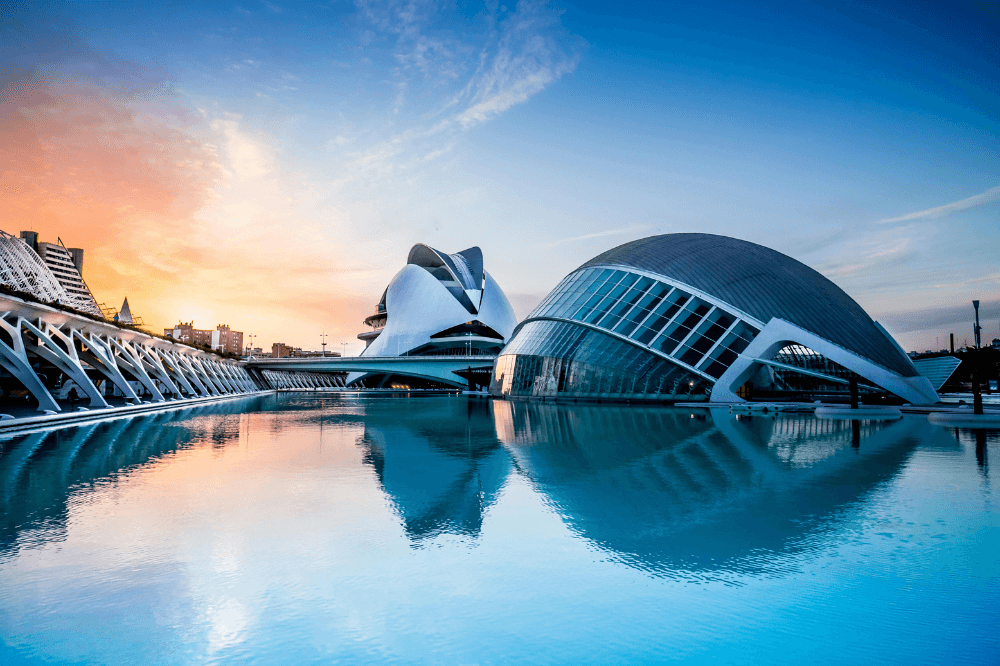
The complex is divided into six main areas, each with a distinct purpose that combines scientific dissemination, nature, and culture.
To tour it efficiently, it is helpful to know what each structure offers.
Hemisfèric
It is the oldest building in the complex and represents a large human eye. Its interior houses a projection room with a concave screen of 900 square meters.
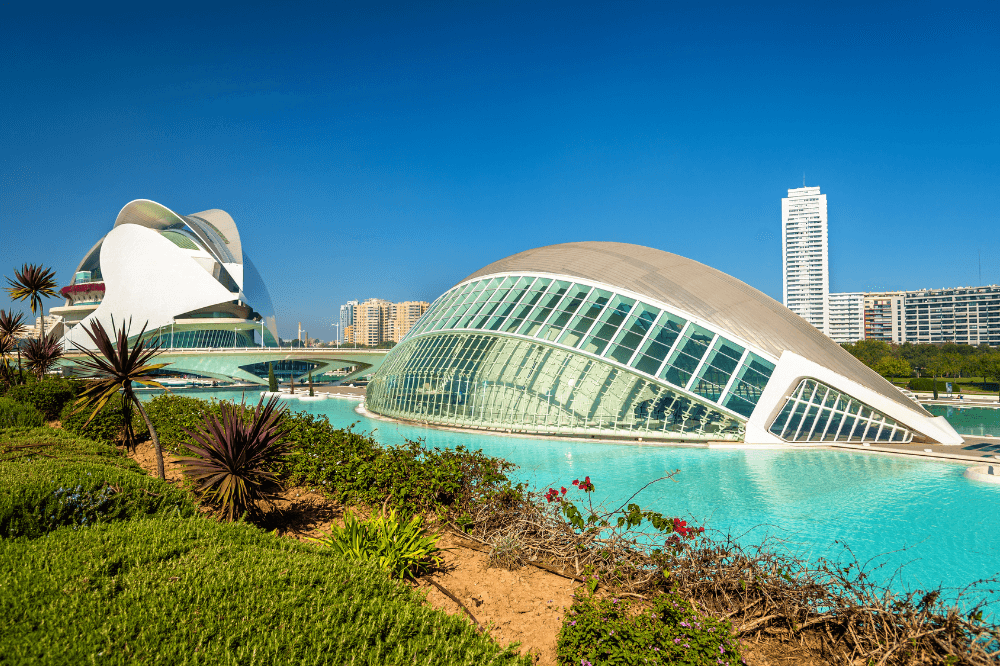
Mainly, educational documentaries in IMAX format and 3D digital cinema are shown here, focused on astronomy and nature. It is the ideal place to rest between walks while enjoying an immersive visual experience.
Oceanogràfic
This is the largest aquarium in Europe. The site reproduces the most important marine ecosystems on the planet, from the Arctic to the tropical zones and the Mediterranean.
Its highlights include the underwater tunnel, which allows you to walk beneath sharks and stingrays, and the dome area, where the beluga whale habitat is located.
Due to its size, it is recommended that you dedicate at least three hours to it.
Palau de les Arts
This building is the cultural reference point of the complex, dedicated to opera and the performing arts.
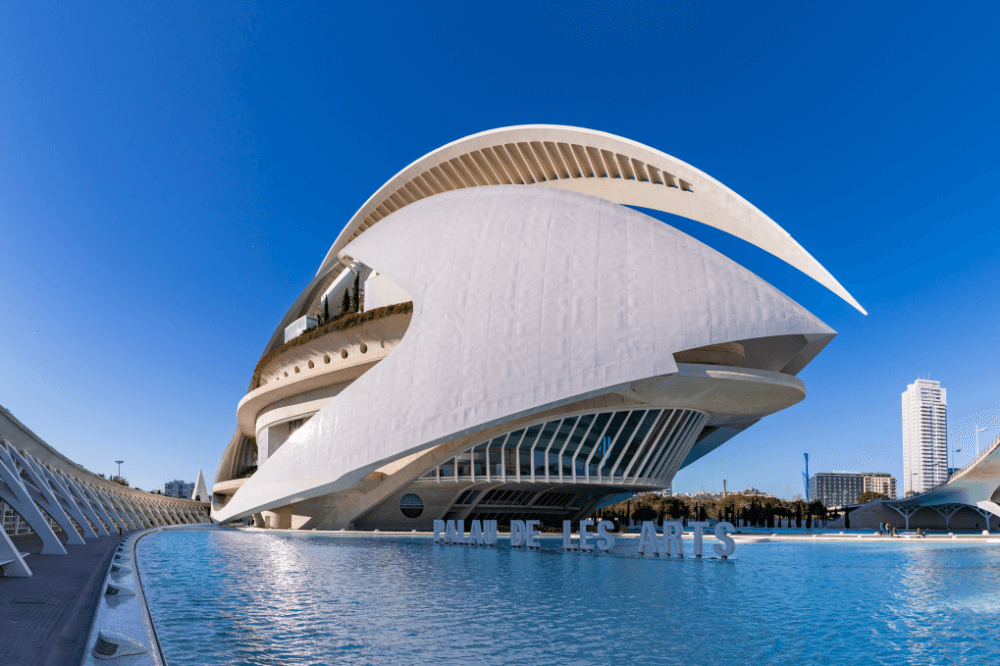
It has four large halls equipped with cutting-edge technology for acoustics.
Although its main function is to host high-level performances, you can also explore its impressive interior structure through scheduled technical visits.
Museu de les Ciències
Under the motto “forbidden not to touch,” this museum encourages learning through direct interaction.
Unlike traditional museums, its exhibitions on evolution, technology, and the environment require your active participation.
It is a particularly relevant stop if you seek to understand scientific phenomena in a practical and visual way.
Umbracle
This free-access landscaped walkway serves as a viewpoint over the entire complex.
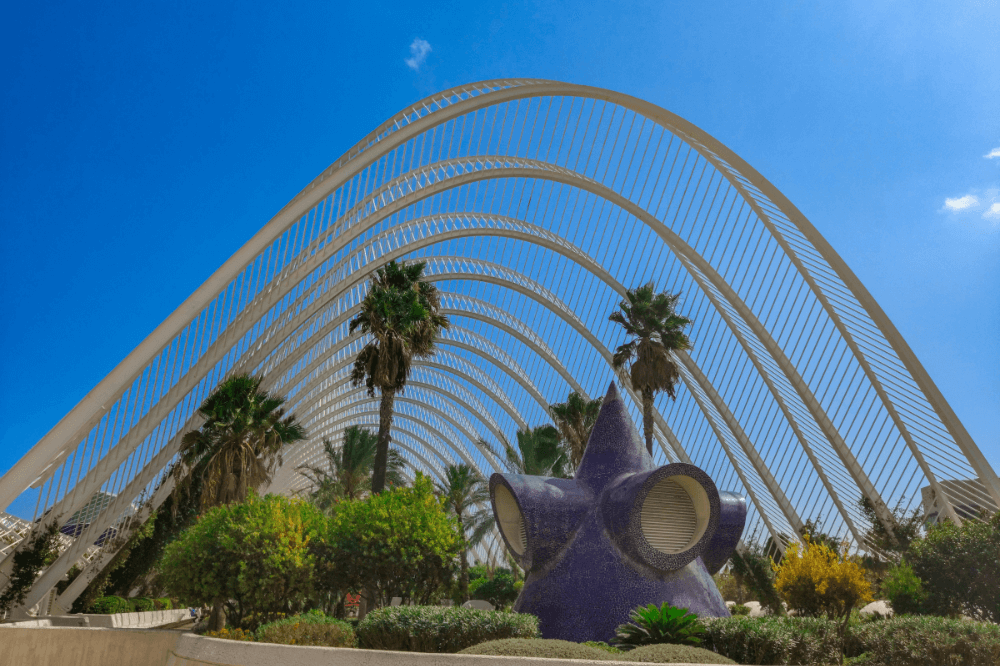
It is covered by a series of floating arches that house plant species native to the Valencian Community and contemporary sculptures in the “Paseo del Arte” (Art Walk).
Additionally, its lower level serves as the main car park for visitors arriving by private vehicle.
Àgora
It is the most recent structure and stands out for its metallic blue color and organic shape.
After years functioning as a space for sporting and cultural events, it currently houses CaixaForum València.
This cultural center offers temporary exhibitions, lecture series, and workshops, adding an additional humanistic and artistic dimension to the environment.
Tips for a Better Experience
Visiting this complex requires some logistics. Applying the following tips will allow you to avoid the most common mistakes made by first-time tourists.
Explore our experiences with local cooks in Valencia.
How to Get There
The City of Arts and Sciences is connected to the rest of Valencia.
The most sustainable option is to walk through the Turia Gardens, the old riverbed that runs through the city. If you prefer public transport, bus lines 15, 24, 25, 35, and 95 have stops at the complex.
Recently, metro line 10 (tram) offers a direct and quick connection from the city center to the “Ciutat Arts i Ciències-Justícia” stop.
Walk Along the Old Riverbed
One of the most recommendable experiences is to rent a bicycle in the city center and pedal through the Turia Gardens until you reach the City of Arts and Sciences.

This 15 or 20-minute walk allows you to cross Valencia’s green lung and arrive at the complex in a relaxed and different way.
Book in Advance
Access to buildings like the Oceanogràfic or the Museu de les Ciències has limited capacity per time slot.
Buying tickets through the official website or authorized platforms not only guarantees your entry but also allows you to avoid the physical ticket offices, which often involve considerable waiting times, especially during high season and on weekends.
The Architecture of the City
The design is the work of Valencian architect Santiago Calatrava, in collaboration with Félix Candela on the Oceanogràfic.
The aesthetic is based on white structures, the extensive use of glass, and “trencadís” (mosaic made from ceramic shards), a key element of Valencian modernism.
The shape of the buildings evokes animal skeletons and natural forms, creating a futuristic ensemble that has become the symbol of modern Valencia.
Consider a Guided Tour
If you have little time or have a special interest in architecture, a guided tour is the best option.
A professional guide will explain the technical details of the construction and the historical curiosities that are not on the information signs.
This approach helps prioritize points of interest and understand the magnitude of the urban project that transformed Valencia.
Dining Options
Inside the complex, you will find cafeterias and an underwater restaurant at the Oceanogràfic that requires advance booking.
If you are looking for something more authentic with better value for money, you can walk a few minutes to the Penya-Roja neighborhood.
There you will discover a wide range of paella restaurants and Mediterranean cuisine establishments where locals often eat.
The Best Time for Photography
If you want to capture the best images, take advantage of the sunset light.
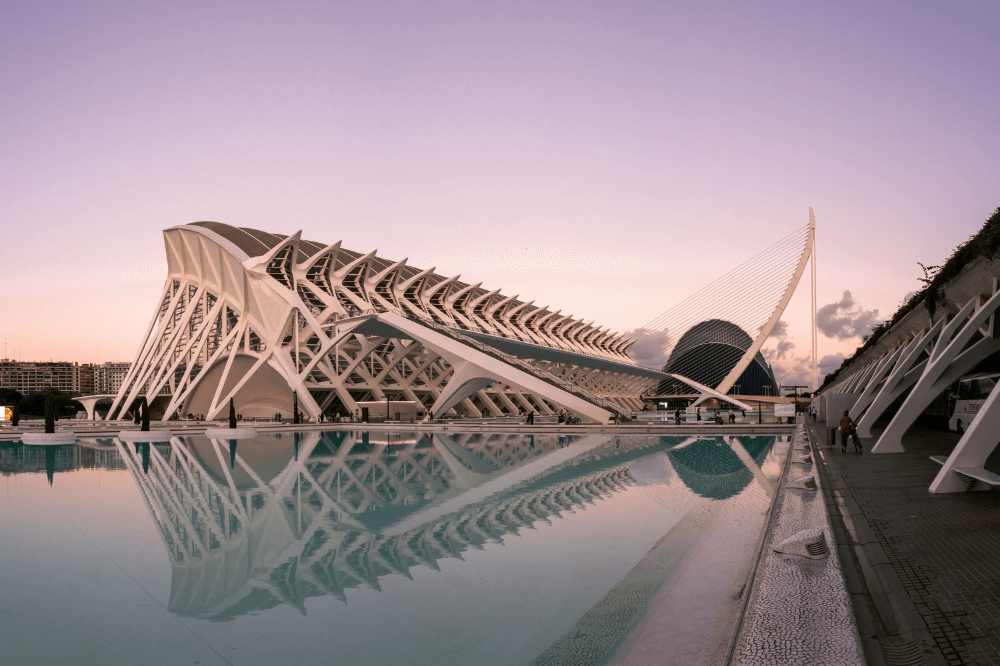
The contrast between the white of the structures, the blue of the ponds, and the orange sky of Valencia creates a stunning picture.
Do not forget to wait for the sun to set completely to enjoy the complex’s carefully designed nighttime lighting.
Frequently Asked Questions About the Visit (FAQ)
Below, we answer the most common questions to help you organize your itinerary:
How much time is needed for the visit?
To see the entire complex (Oceanogràfic, Museum, and a screening) you need a full day.
If you only want to stroll through the exterior and visit the aquarium, a morning is enough.
What are the opening hours?
The buildings usually open at 10:00 a.m. Closing time varies depending on the season (between 6:00 p.m. in winter and 9:00 p.m. or later in summer). I recommend checking the official calendar before you go.
How much does admission cost?
There are individual tickets for each building and combination tickets that offer better value. Prices range from around €9 for the museum up to €40 for the complete combo passes.
Is it advisable for children?
Yes. It is one of the best family destinations in Spain due to the interactive nature of the museum and the visual appeal of the aquarium.
Mediterranean Dining with Creamy Lobster Rice in a rural setting near Valencia
Top off your visit: experience Valencia like a local
After exploring the city’s most avant-garde face, we propose you discover its most authentic heart.
We invite you to an unprecedented experience: our local women chefs open the doors of their homes to delight you with timeless flavors, the ones passed down from generation to generation by mothers and grandmothers who love cooking.
It is not just a dinner; it is living for a few hours as a local does, sharing a table and tablecloth in a warm and genuine atmosphere.
Dare to experience the greatness of our cuisine as it truly is. Book your experience at Sazón and discover the real taste of Valencia.
Explore our experiences with local cooks.