
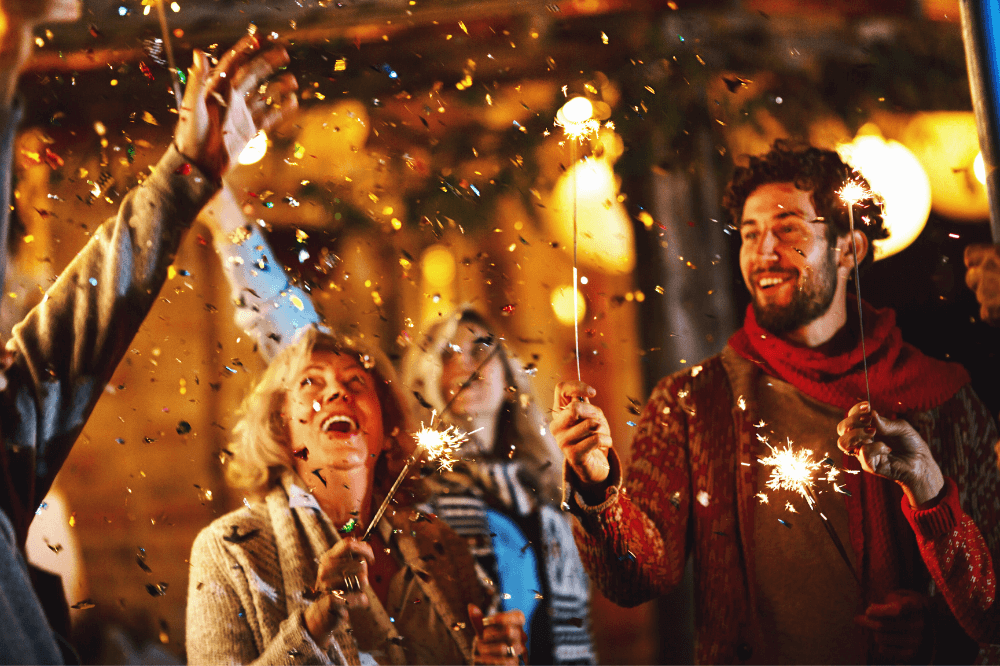
You’ve been planning your trip to Spain for months, and now that New Year’s Eve is just around the corner, you might be wondering: How do Spaniards ring in the new year?
How can you make sure your experience is authentic and that you kick off the new year on the right foot—just like a true local?
In this article, we’ll walk you through the must-know traditions step by step, so you’re fully prepared to take on the famous grape challenge with confidence.
Get ready for one of the most exciting (and fun!) experiences of your whole trip!
1. The 12 Lucky Grapes
To experience a truly authentic New Year’s Eve in Spain, you must eat one grape for each of the twelve chimes at midnight—broadcast live from the Puerta del Sol clock in Madrid to TVs across the country.
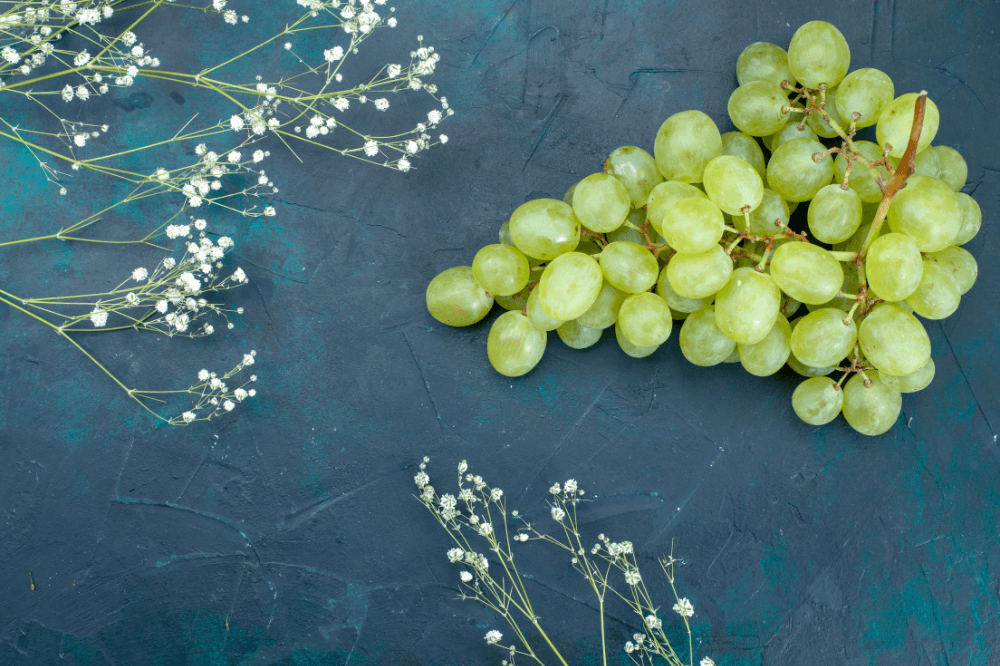
To avoid any last-minute hiccups, grab one of the pre-packed grape kits sold in supermarkets and fruit shops: twelve seedless, washed grapes, all ready for the countdown.
We recommend having your grapes lined up a few minutes before midnight.
If you’re up for the most intense experience, head straight to Puerta del Sol in Madrid—but be prepared for huge crowds and make sure to arrive hours in advance.
Spanish dining menu with the best views of the Royal Palace and Sabatini Gardens in Madrid’s historic center
If not, don’t worry—any main square or local celebration will recreate the ritual with just as much excitement.
2. New Year’s Toast with Cava or Cider
Right after swallowing the last grape—and while the final chimes still echo—the act that seals the start of the new year is the toast.
In most parts of Spain, the go-to drink is a glass of cava, the beloved national sparkling wine.

However, if you find yourself in regions like Asturias, the Basque Country, or other northern areas, you’re likely to be offered natural cider instead—traditionally poured from a height to aerate it—as a symbolic welcome to the year ahead.
We recommend having your glass ready before the countdown begins, so you’re not fumbling with a cork at the big moment.
The toast is collective, loud, and joyful—expect cheers of “¡Feliz Año Nuevo!”, big hugs, and enthusiastic pats on the back!
Authentic Asturian dining experience on the Camino de Santiago in Oviedo, Asturias.
If you’re someone who likes to plan every detail, keep in mind that many bars and restaurants offering New Year’s Eve dinner usually include a glass of cava or cider for the midnight toast as part of the menu.
3. Wearing Colored Underwear
One of the most curious and eye-catching traditions of New Year’s Eve in Spain is wearing brand-new underwear in a specific color to attract good fortune for the year ahead.
Red is the undisputed favorite, traditionally associated with love and passion.
However, yellow is a close second, believed to attract good luck and financial prosperity.
We recommend buying it new—or even better, receiving it as a gift—as this is said to enhance its power.
And don’t think it’s just a private or discreet detail.
It’s actually a common topic of conversation during dinner or while waiting for the clock to strike midnight.
You’ll see references everywhere: store window displays starting in December, Christmas market stalls, and even New Year’s Eve kits that include grapes and a festive glass.
4. Taking a Suitcase for a Walk
If your New Year’s resolutions include traveling, Spaniards have a foolproof ritual for that: the suitcase of good fortune.
The tradition is simple—right after midnight, take a suitcase outside and walk it around the block.
It doesn’t need to be packed; in fact, most people carry it empty as a symbolic gesture, wishing to fill it with adventures in the coming year.
If you’re staying in a hotel or apartment in the city center, step outside for a quick stroll with your carry-on—you’ll likely spot others doing the same, turning the moment into something fun and photo-worthy.
And if the crowds are too big or the night is too cold, a symbolic walk through your hallway at home works just as well.
5. Eating Lentils Right After Midnight
After the toast and the hugs, it’s time for a culinary ritual full of symbolism: eating at least one spoonful of lentils.
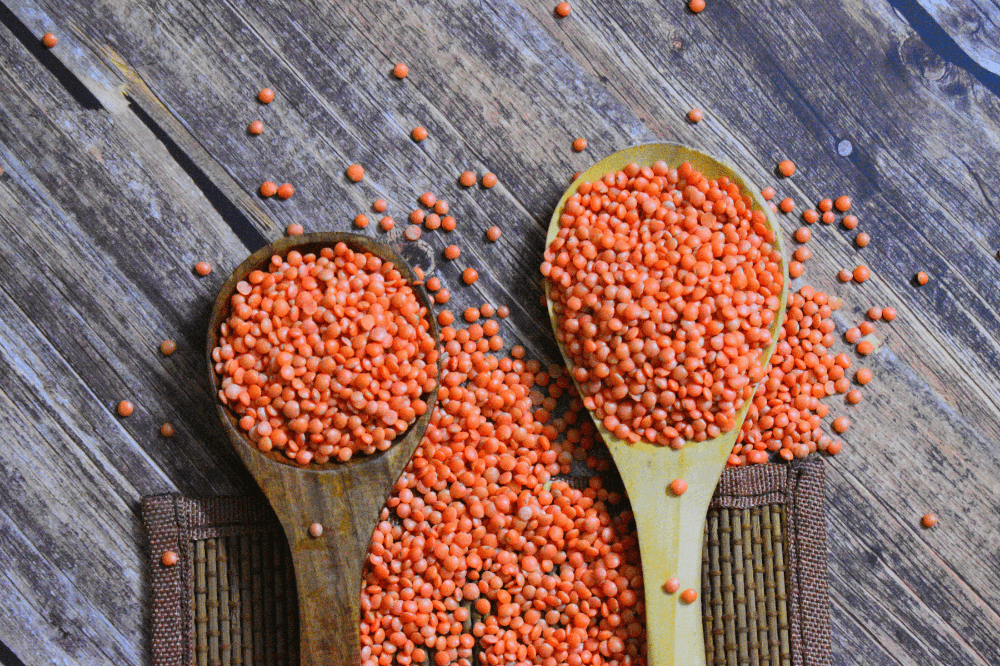
This humble legume represents economic prosperity and abundance, as its small, round shape resembles coins.
It’s no coincidence that lentils are a common dish at New Year’s Eve dinners, but their power lies in that very first bite of the year—even if you’re already full.
If you’re invited to a dinner at a friend’s or family member’s home, don’t hesitate to accept the spoonful of lentils they’ll likely offer you.
In many restaurants with special New Year’s Eve menus, it’s also common to serve a small symbolic portion of lentils after dessert, just for this tradition.
6. Wearing Something New
In addition to colorful underwear, there’s a broader tradition of wearing at least one new item of clothing on New Year’s Eve.
A menu with a taste of Spanish home
It’s not just about dressing up—it symbolizes a fresh start, renewal, and good fortune for the year ahead.
Many people debut an entire outfit for the celebration, while others focus on a standout accessory like new shoes, a handbag, or a tie.
We recommend planning for this detail when packing your suitcase. Include a new garment or accessory for the occasion, even if it’s something small.
You’ll notice that in December, shop windows and advertising campaigns often revolve around the question: “What will you wear new for New Year’s Eve?”
7. The Money Ritual
Economic prosperity is a central wish on New Year’s Eve, and Spaniards have several lucky charms to attract it.
The most common one is to carry cash in your pocket or handbag during the twelve chimes at midnight.
Ideally, this should be new or high-denomination bills, symbolizing the abundance you hope to receive in the coming year.
Another widespread ritual is to place a gold ring—usually a wedding band—into your glass of cava for the New Year’s toast.
We recommend that if you’re joining in the grapes and the toast, you keep a bill in your pocket or your most valuable ring close by. These are subtle but meaningful gestures.
If you’re celebrating in a public space, like a city square, be extra careful with valuable belongings.
8. Kissing at the Stroke of Midnight
Tradition says you should kiss or hug everyone you’re celebrating with as the clock strikes twelve, to wish them happiness.
It’s not a gesture reserved just for couples — it’s a general exchange of good wishes among family, friends, and even strangers sharing the same square or party space.
If you’re in a more intimate setting, like a private dinner, the hugs and kisses will be more relaxed and done one by one.
But if you’re in a crowd, like Puerta del Sol in Madrid, expect a joyful whirlwind of collective celebration.
9. Family or Friends’ Dinner
The heart of the New Year’s Eve celebration, before the countdown, is a special and plentiful dinner. Unlike Christmas dinner (which is more formal and family-oriented), the New Year’s Eve meal is often shared with friends and tends to be slightly more relaxed — though just as delicious.

It’s common for restaurants to offer special set menus (which are in high demand, so book months in advance), and for homes to prepare generous platters of seafood, Iberian ham, cheese, and cured meats.
We recommend that, if you’re lucky enough to be invited to dinner at a Spanish home, come hungry and ready to try everything.
It’s usually a long evening with multiple courses and lots of conversation.
If you choose a restaurant, be sure to check the set menu (which usually includes the toast) and the atmosphere — some are quiet and elegant, while others turn into lively parties after midnight.
10. Lotto Predictions
Although the famous Christmas Lottery (“El Gordo”) already took place on December 22nd, the lottery fever continues.
The Extraordinary “El Niño” Draw is held on January 5th, but it’s traditional to buy tickets before the end of the year.
Many people include them in holiday cards or give them as gifts during New Year’s Eve dinner as a symbol of good luck for the year ahead.
It’s a common topic of conversation: “What number did you get?”
If you want to take part in this tradition, we recommend buying one or more tickets at any lottery shop (they stay open until late on the 31st).
It’s a very welcoming and social gesture.
Additionally, at dinners or private parties, it’s common to organize small raffles with symbolic prizes.
11. Ringing in the New Year in the Streets (or Town Squares)
For those seeking maximum energy and collective excitement, the plan is to head to the main square.
The most iconic is Madrid’s Puerta del Sol, but every city and town has its own central square where thousands of people gather to experience the countdown live—often with concerts or pre-show entertainment.
Galician Octopus, and Traditional Spanish Flavors with Stunning Royal Palace Views in Madrid
That said, if you choose this option, planning is essential.
In the most popular plazas, you’ll need to arrive several hours in advance (in Puerta del Sol, it starts filling up early in the afternoon).
Bundle up, bring your grapes prepped in a convenient bag, and be aware of the large crowds.
12. Fireworks and Concerts
The celebration doesn’t end with the toast—in fact, that’s when the real party begins.

In almost every city, the twelve grapes are followed by a fireworks show launched from an iconic spot (like the beach in Barcelona or Valencia, or near the main square).
It signals the start of a night filled with music, dancing, and celebration that lasts until dawn.
Many city councils even organize free outdoor concerts or traditional street parties (verbenas).
That’s why we recommend checking the official program of the city you’re in.
The fireworks and concerts are public and free, and they’re the perfect destination after the countdown, whether you’re coming from a restaurant or a private gathering.
Bars and clubs usually offer special tickets for New Year’s Eve parties (cotillón).
Our advice: pick a plan and go with the flow—this night is made to celebrate in community.
Celebrate New Year’s Eve with Sazón: Your Most Authentic Toast
Now you know the traditions, the rituals, and the magic that surround New Year’s Eve in Spain.
But what if this year, instead of just watching from the sidelines, you became part of it?
What if you didn’t just follow the customs, but lived them from the very heart of where they’re born?
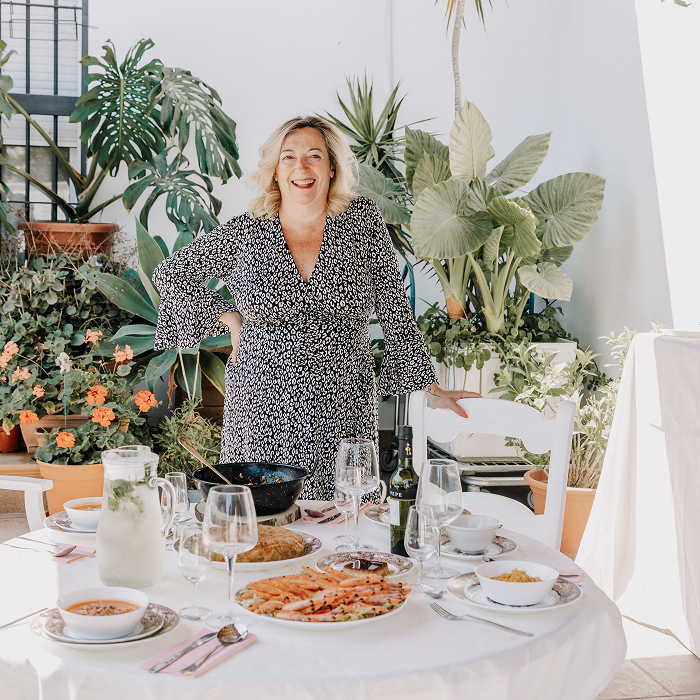
At Sazón, we invite you to step into a local cook’s home and celebrate New Year’s Eve as she would.
Imagine a dinner where every dish—from the prosperity-bringing lentils to the sweetest dessert—tells a story, holds a legacy, and carries the unmistakable flavor of home cooking, prepared with the same care used to save those grapes for midnight.
Ready to toast to the New Year in a way you’ll never forget?
Book your authentic New Year’s Eve experience with Sazón and let the taste of the real win you over.
Explore our experiences with local cooks.